No results. Is a plant missing? Tell uscontact@wikiplant.net
Ti Plant
Cordyline fruticosa
Care level: Moderate
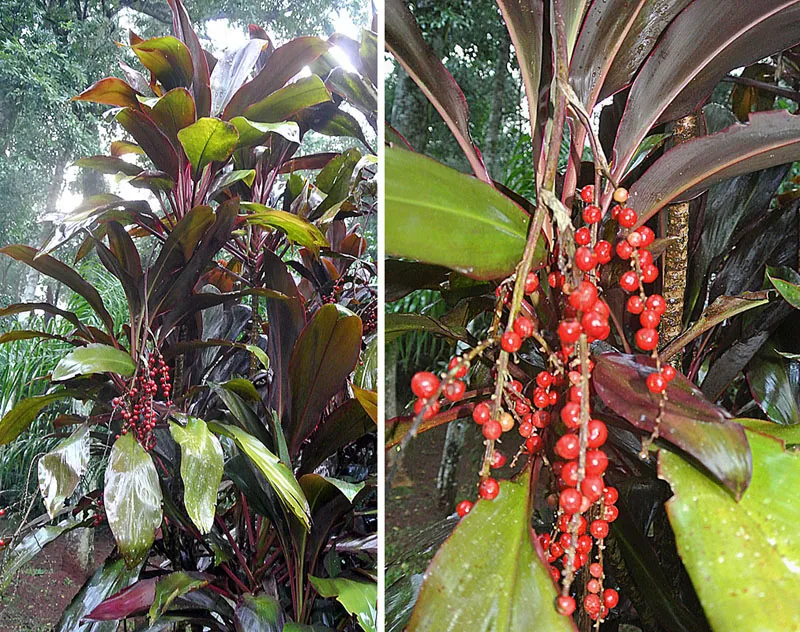
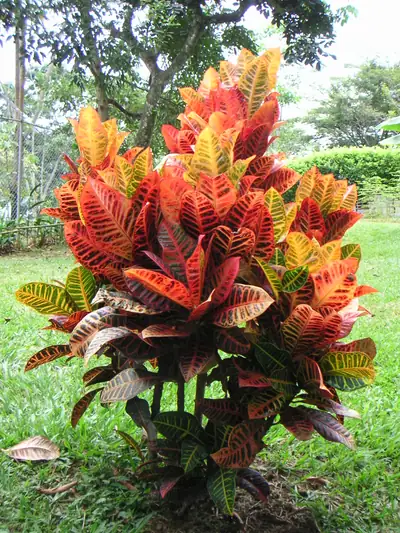
In Polynesian and Hawaiian cultures, the ti plant has long been considered sacred and protective, traditionally planted around homes to ward off evil spirits and woven into hula skirts and leis, a cultural significance that predates its popularity as a houseplant by centuries. Its vividly colored leaves, ranging from magenta to near-black depending on variety, come from anthocyanin pigments that intensify with brighter light, much like a croton's do.
Medium to bright indirect light; some gentle morning sun intensifies leaf color.
Water
Keep soil lightly moist, watering roughly every 7 days, using filtered or rain water if possible since it is sensitive to fluoride.
Humidity
Prefers moderate to high humidity; dry air can cause brown leaf tips.
Soil
Rich, well-draining potting mix.
Temperature
18-35°C. It does not tolerate temperatures below 10°C.
Growth speed
Medium
Best position
east / south-east-facing windowanywhere up to about 2 m from the window
north / north-east / north-west-facing windowanywhere up to about 1 m from the window
south / west-facing windowabout 1 m from the window or further back
Watch for strong direct sun at south / west windows.
See every window directionHide window directions
Best position
right by the window
about 1 m
about 2 m
about 4 m
4 m or more
north
works well✓
works well✓
too dark○
too dark○
too dark○
north-east
works well✓
works well✓
too dark○
too dark○
too dark○
east
works well✓
works well✓
works well✓
too dark○
too dark○
south-east
works well✓
works well✓
works well✓
too dark○
too dark○
south
just about~
works well✓
works well✓
too dark○
too dark○
south-west
just about~
just about~
works well✓
too dark○
too dark○
west
just about~
works well✓
works well✓
too dark○
too dark○
north-west
works well✓
works well✓
too dark○
too dark○
too dark○
✓works well~just about○too dark☼too much direct sun
A rough guide based on window direction and typical daylight through the year. Window size, curtains and whatever stands outside matter just as much.
!Toxic to pets
Toxic to cats and dogs if eaten.
Eating it can cause vomiting and an upset stomach.
If your pet has eaten some, contact your vet.
Source: ASPCA
Common mistake
Watering a ti plant with regular tap water is a common cause of trouble, since this species is unusually sensitive to the fluoride and chlorine found in most municipal water, which shows up as brown, dead leaf tips even when watering habits are otherwise fine.
Care by Season
Spring
Resume regular feeding and watering as vibrant new leaves emerge from the top.
Summer
Water consistently and keep humidity up to avoid crispy leaf edges.
Autumn
Reduce feeding as growth slows and keep monitoring for dry indoor air.
Winter
Water a little less, keep warm away from cold drafts, and pause fertilizing.
Growing & Maintenance
Soil and pot
A rich, well-draining potting mix in a pot with drainage holes.
Fertilising
Feed several times a year, from spring to autumn, to keep the leaf colour strong. Pause in winter.
Propagation
By division, or from sections of stem laid in moist mix.
Pests & Diseases
Common problems
Brown, crispy leaf tips
Most likely cause: Fluoride and salts in tap water, or dry air.
What to do: Switch to filtered, distilled or rain water and raise the humidity.
Faded leaf colour
Most likely cause: Too little light.
What to do: Move it to bright, indirect light. Gentle morning sun deepens the colour.
Yellow leaves
Most likely cause: Overwatering.
What to do: Let the compost dry a little between waterings and check that the pot drains.
Limp leaves that drop
Most likely cause: Cold. It suffers below 10°C.
What to do: Keep it warm and away from cold draughts.
Speckled leaves with fine webbing
Most likely cause: Spider mites, which like dry air.
What to do: Rinse the foliage, raise the humidity and apply insecticidal soap.
Pests & Diseases
Spider mites
Signs: Fine webbing and speckled discoloration on leaves in dry conditions.
Treatment: Raise humidity, rinse foliage, and apply insecticidal soap if mites persist. Check the undersides of the leaves and the crevices where the leaf stem meets the main stalk.
Mealybugs
Signs: White cottony tufts at leaf bases and stem joints.
Treatment: Dab with an alcohol-soaked cotton swab, repeating weekly. Check the undersides of the leaves and the crevices where the leaf stem meets the main stalk.
Fluoride/salt toxicity
Signs: Brown, dry leaf tips and margins despite adequate watering.
Treatment: Switch to filtered or distilled water and flush soil occasionally to remove salt buildup.
FAQ
Why does my ti plant keep getting brown, crispy leaf tips no matter how I water it?
Ti plants are especially sensitive to fluoride and other chemicals in tap water; switching to filtered, distilled, or rainwater often clears up chronic tip browning that watering schedule adjustments don't fix.
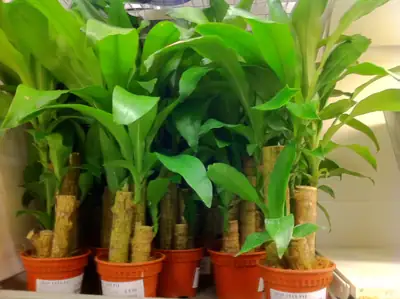
Is the ti plant the same thing as the 'lucky bamboo' sold with it in stores?
No, they're often sold together but are different plants; lucky bamboo is a Dracaena species grown in water, while the ti plant is Cordyline fruticosa, grown in soil and valued mainly for its colorful foliage.
Is the Ti Plant toxic to cats and dogs?
Yes, the Ti Plant is toxic to cats and dogs. Eating it can cause stomach upset, so keep it out of reach of pets.
How often should I water a Ti Plant?
About once a week, keeping the compost lightly moist. Let it dry a little between waterings and water less from late autumn to late winter.
What temperature does a Ti Plant need?
It does best between 18 and 35°C. It does not tolerate temperatures below 10°C, so keep it away from cold draughts.
How do I propagate a Ti Plant?
By division or from stem sections. A short piece of stem laid in moist mix sprouts new shoots.