No results. Is a plant missing? Tell uscontact@wikiplant.net
Dwarf Umbrella Tree
Schefflera arboricola
Care level: Easy
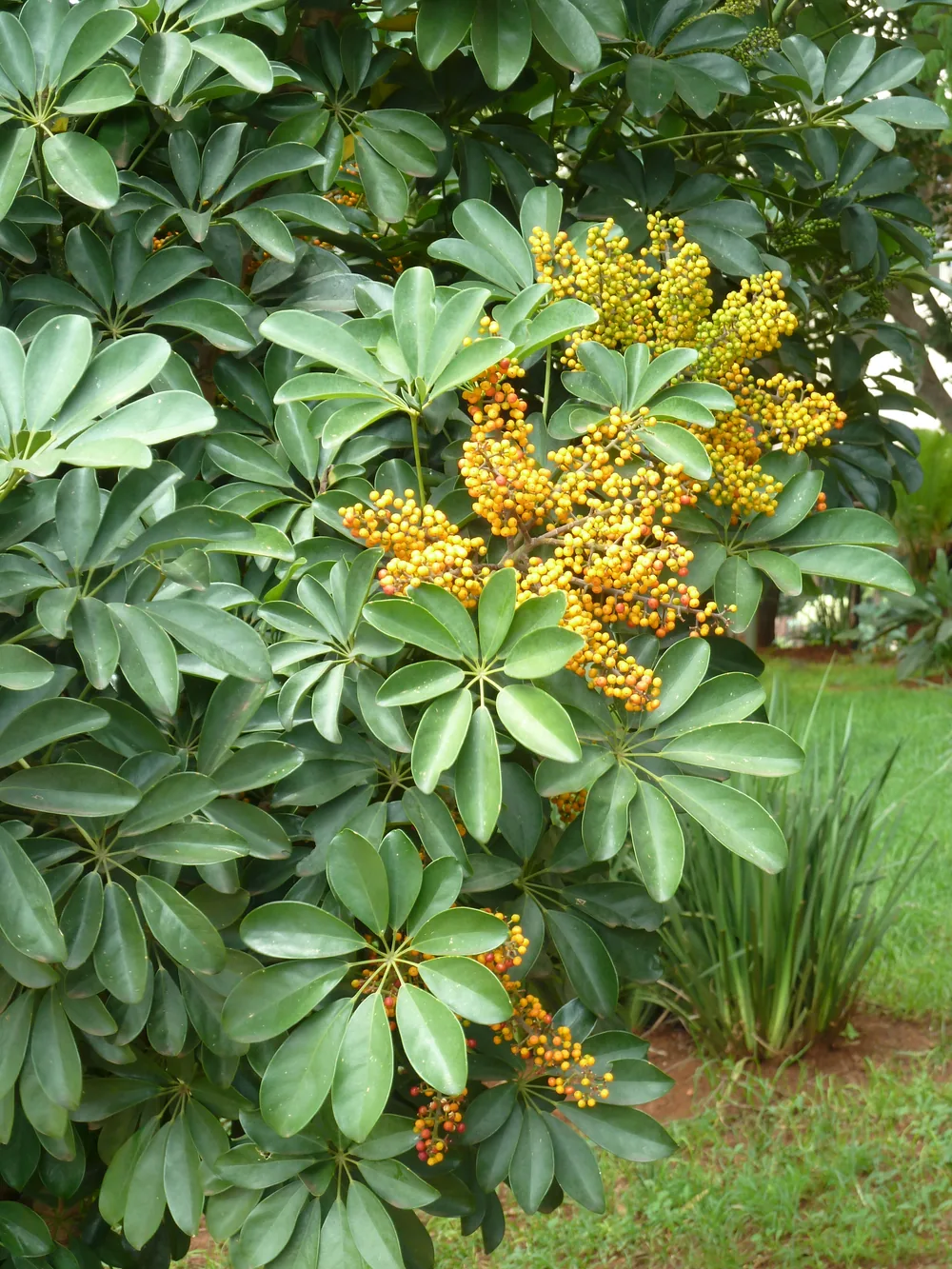
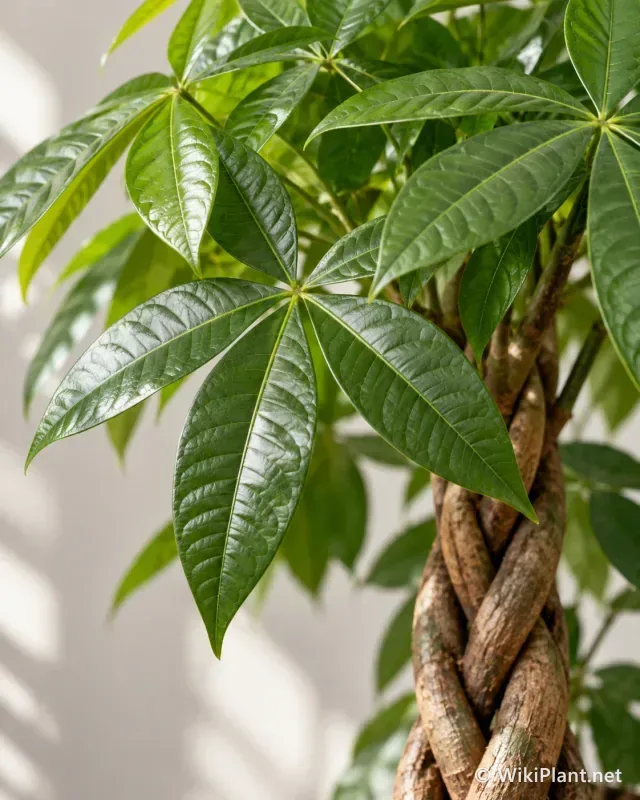
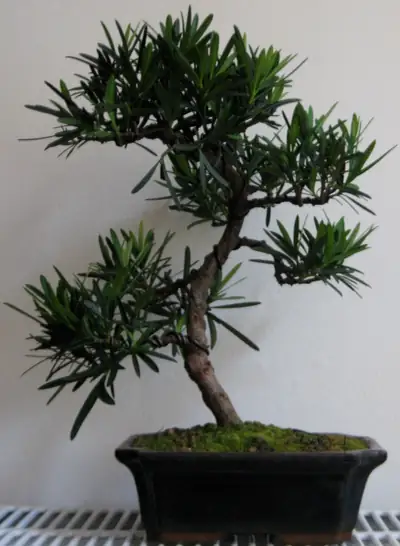
Each leaf of the dwarf umbrella tree is made up of several glossy leaflets that radiate outward from a central point like the ribs of an umbrella, a shape it keeps even as the plant matures from a small tabletop specimen into a small indoor tree several feet tall. Native to Taiwan, it's often used in bonsai cultivation because its trunk and roots respond well to being trained and confined, something most houseplants can't tolerate.
Medium to bright indirect light; tolerates lower light but variegation fades without brightness.
Water
Water when the top 2-3cm of soil dries out, roughly every 7-10 days.
Humidity
Tolerates average household humidity well.
Soil
Well-draining standard potting mix.
Best position
north / north-east-facing windowanywhere up to about 1 m from the window
east-facing windowabout 1 m from the window or further back
west-facing windowabout 2 m from the window or further back
Watch for strong direct sun at east / west windows.
See every window directionHide window directions
Best position
right by the window
about 1 m
about 2 m
about 4 m
4 m or more
north
works well✓
works well✓
too dark○
too dark○
too dark○
north-east
works well✓
works well✓
too dark○
too dark○
too dark○
east
just about~
works well✓
works well✓
too dark○
too dark○
south-east
too much direct sun☼
just about~
just about~
too dark○
too dark○
south
too much direct sun☼
too much direct sun☼
too much direct sun☼
too dark○
too dark○
south-west
too much direct sun☼
too much direct sun☼
just about~
too dark○
too dark○
west
too much direct sun☼
too much direct sun☼
works well✓
too dark○
too dark○
north-west
too much direct sun☼
just about~
too dark○
too dark○
too dark○
✓works well~just about○too dark☼too much direct sun
A rough guide based on window direction and typical daylight through the year. Window size, curtains and whatever stands outside matter just as much.
!Toxic to pets
Toxic to cats and dogs if eaten.
Chewing it can irritate the mouth, causing drooling and trouble swallowing.
If your pet has eaten some, contact your vet.
Source: ASPCA
Common mistake
Letting an umbrella tree sit in a dark corner is a frequent mistake with variegated varieties like Trinette; without enough bright light, the yellow and cream patterning gradually fades and new leaves emerge mostly plain green.
Care by Season
Spring
Resume regular feeding monthly and prune to encourage bushier growth.
Summer
Water consistently and keep in bright light for compact, dense foliage.
Autumn
Reduce feeding and slightly space out watering as growth slows.
Winter
Water sparingly and keep away from cold drafts and heater vents.
Growing & Maintenance
Soil and pot
A well-draining standard potting mix in a pot with drainage holes.
Fertilising
Feed once a month in spring and summer. Reduce in autumn.
Pruning
Prune in spring to make it bushier. Cut a stem back just above a leaf.
Pests & Diseases
Common problems
Yellow patterning fading
Most likely cause: Too little light.
What to do: Move a variegated plant to brighter, indirect light.
Leaves dropping
Most likely cause: A sudden change: a move, repotting, a cold draught or a heater vent.
What to do: Keep the care steady. New leaves follow once it has settled.
Yellow leaves
Most likely cause: Overwatering.
What to do: Let the top 2-3cm of compost dry before watering and improve the drainage.
Long, bare stems
Most likely cause: Low light, and no pruning.
What to do: Give it more light and cut the stems back in spring.
Sticky leaves with small brown bumps
Most likely cause: Scale insects.
What to do: Scrape them off by hand and treat the plant with insecticidal soap.
Pests & Diseases
Spider mites
Signs: Fine webbing and stippled pale spots on leaflets in dry air.
Treatment: Wipe leaves, raise humidity, and apply insecticidal soap if needed. Check the undersides of the leaves and the crevices where the leaf stem meets the main stalk.
Scale insects
Signs: Small brown bumps along stems and leaf undersides.
Treatment: Scrape off by hand and treat with insecticidal soap or neem oil.
Root rot
Signs: Yellowing leaves and soft, dark roots from overly wet soil.
Treatment: Reduce watering, improve drainage, and trim away decayed roots.
FAQ
Why is my variegated umbrella tree losing its yellow patterning?
Fading variegation is almost always a light issue: variegated Schefflera varieties need brighter indirect light than solid green ones to keep producing patterned new leaves.
Is it normal for an umbrella tree to drop a few leaves after repotting?
Yes, some leaf drop after repotting, moving, or a change in season is common and usually temporary; keep care consistent and new growth should resume within a few weeks.
Is the Dwarf Umbrella Tree toxic to cats and dogs?
Yes, the Dwarf Umbrella Tree is toxic to cats and dogs. Chewing it irritates the mouth, so keep it out of reach of pets.
How often should I water a Dwarf Umbrella Tree?
Roughly every 7-10 days, when the top 2-3cm of compost has dried. Water sparingly in winter.
How much light does a Dwarf Umbrella Tree need?
It needs medium to bright indirect light. It tolerates lower light, but variegated plants then lose their pattern.
How do I prune a Dwarf Umbrella Tree?
Cut the stems back in spring, just above a leaf. It branches below the cut and grows bushier.