No results. Is a plant missing? Tell uscontact@wikiplant.net
Weeping Fig
Ficus benjamina
Care level: Moderate
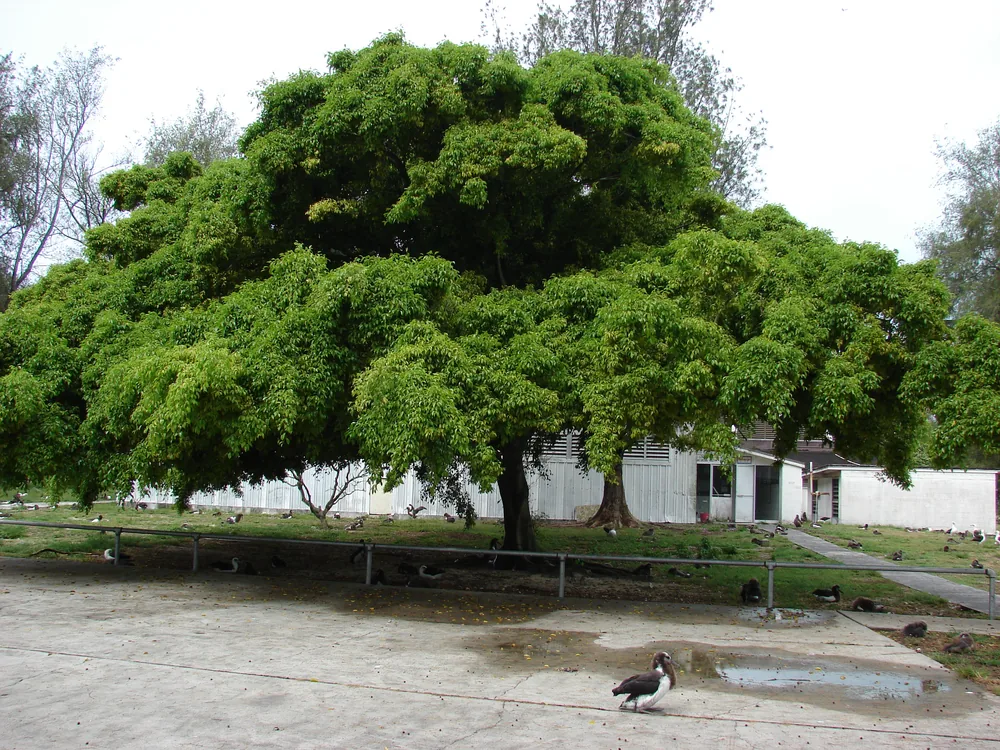
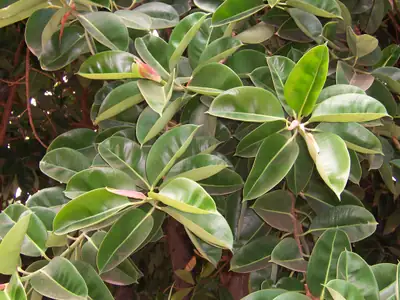
Ficus benjamina is famous among indoor gardeners for its dramatic sensitivity to change: even a modest shift in light, temperature, or location can trigger a sudden drop of dozens of leaves, a defense mechanism inherited from its life as a rainforest tree in South and Southeast Asia, where the same trait helps it shed stressed foliage quickly and regrow.
Bright indirect light; some gentle direct sun is tolerated once acclimated.
Water
Water when the top few centimeters of soil are dry, roughly weekly, keeping conditions consistent.
Humidity
Appreciates moderate to high humidity but adapts to average home levels.
Soil
Well-draining, general-purpose potting mix.
Temperature
Normal room temperatures. It is very sensitive to cold and draughts.
Size
0.6-3m tall as a houseplant.
Growth speed
Medium
Best position
east / south-east-facing windowanywhere up to about 2 m from the window
north / north-east / north-west-facing windowanywhere up to about 1 m from the window
south / west-facing windowabout 1 m from the window or further back
Watch for strong direct sun at south / west windows.
See every window directionHide window directions
Best position
right by the window
about 1 m
about 2 m
about 4 m
4 m or more
north
works well✓
works well✓
too dark○
too dark○
too dark○
north-east
works well✓
works well✓
too dark○
too dark○
too dark○
east
works well✓
works well✓
works well✓
too dark○
too dark○
south-east
works well✓
works well✓
works well✓
too dark○
too dark○
south
just about~
works well✓
works well✓
too dark○
too dark○
south-west
just about~
just about~
works well✓
too dark○
too dark○
west
just about~
works well✓
works well✓
too dark○
too dark○
north-west
works well✓
works well✓
too dark○
too dark○
too dark○
✓works well~just about○too dark☼too much direct sun
A rough guide based on window direction and typical daylight through the year. Window size, curtains and whatever stands outside matter just as much.
!Toxic to pets
Toxic to cats and dogs if eaten.
Mostly mild mouth and stomach irritation.
If your pet has eaten some, contact your vet.
Source: ASPCA
Common mistake
Moving the plant around the home to chase better light is one of the most common ways owners trigger leaf drop; once you find a bright spot it tolerates well, resist relocating it and give it weeks to adjust before deciding a location isn't working.
Care by Season
Spring
Resume regular feeding every 4 weeks and prune to shape as new growth begins.
Summer
Water consistently and avoid moving the plant, as it is sensitive to location changes.
Autumn
Reduce feeding and expect some leaf drop if light or temperature shifts suddenly.
Winter
Water less often, keep away from cold drafts and heaters, and maintain stable placement.
Growing & Maintenance
Soil and pot
A well-draining, general-purpose potting mix in a pot with drainage holes.
Fertilising
Feed every four weeks in spring and summer. Reduce in autumn.
Pruning
Prune lightly to shape. Heavy pruning weakens the plant, and the milky sap can irritate skin.
Propagation
From stem cuttings.
Pests & Diseases
Common problems
Sudden, heavy leaf drop
Most likely cause: A change of place, light or temperature.
What to do: Leave it where it is and keep the care steady. New leaves follow.
Yellow leaves
Most likely cause: Overwatering.
What to do: Water only when the top few centimetres of compost are dry.
Dry, crisp leaves falling
Most likely cause: The compost has dried out completely.
What to do: Water thoroughly and do not let it dry out fully again.
Sticky leaves with small brown bumps
Most likely cause: Scale insects.
What to do: Scrape them off and treat the plant with horticultural oil.
Thin, sparse growth
Most likely cause: Too little light.
What to do: Move it once to bright, indirect light and then leave it there.
Pests & Diseases
Scale insects
Signs: Small brown bumps on stems and leaf undersides with sticky honeydew.
Treatment: Scrape off and treat with horticultural oil.
Spider mites
Signs: Fine webbing and speckled, pale leaves in dry air.
Treatment: Increase humidity, rinse foliage, and apply insecticidal soap. Check the undersides of the leaves and the crevices where the leaf stem meets the main stalk.
Leaf drop
Signs: Sudden shedding of leaves after a move or draft exposure.
Treatment: Keep the plant in a stable spot with consistent light, temperature, and watering.
FAQ
Why did my Weeping Fig suddenly drop half its leaves?
Sudden, dramatic leaf drop is almost always a stress response to a change in environment, such as a new location, a draft, a temperature swing, or even just being moved a short distance; keep it in a stable spot and it will typically regrow leaves within a few weeks.
Is it normal for a Weeping Fig to drop a few leaves periodically?
Yes, shedding a small number of older leaves over time is completely normal as the plant matures; it's only cause for concern when the drop is sudden, widespread, or accompanied by yellowing across the whole plant.
Is the Weeping Fig toxic to cats and dogs?
Yes, the Weeping Fig is toxic to cats and dogs. Chewing it causes mild irritation, so keep it out of reach of pets.
How often should I water a Weeping Fig?
About once a week, when the top few centimetres of compost are dry. Keep it regular, since the compost should never dry out completely.
How big does a Weeping Fig get indoors?
Between 0.6 and 3m tall as a houseplant. It grows at a medium pace and can be kept smaller by light pruning.
How do I propagate a Weeping Fig?
From stem cuttings. Wear gloves, because the milky sap can irritate skin.