No results. Is a plant missing? Tell uscontact@wikiplant.net
Wandering Dude
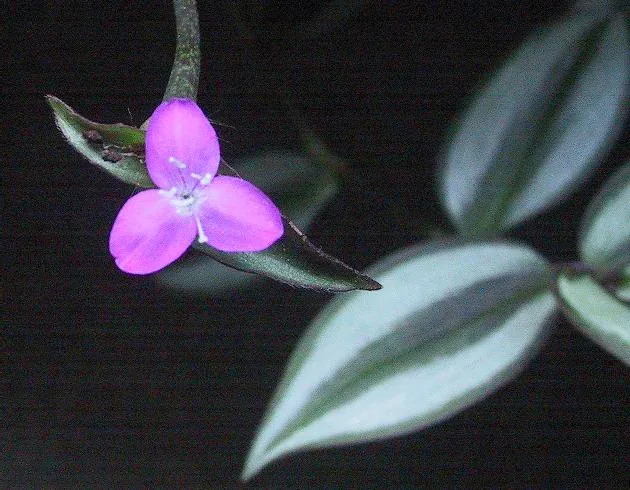
Tradescantia zebrina
Care level: Very easy
Tradescantia zebrina's iridescent purple and silver stripes come from pigment layers that shift in intensity with light exposure, and in the wild this trailing plant roots so readily wherever a stem touches soil that it has become an aggressive garden spreader in warm climates worldwide.
Needs bright, indirect light to keep its purple and silver striping vivid; low light causes leaves to turn plain green.
Water
Water when the top 2-3cm of soil is dry, roughly weekly; it wilts dramatically when thirsty but recovers fast.
Humidity
Tolerates average home humidity but grows lusher with slightly higher moisture in the air.
Soil
Well-draining, general-purpose potting mix.
Temperature
18-24°C, away from cold draughts.
Size
15-23cm tall, trailing 30-60cm.
Growth speed
Fast
Best position
east / south-east-facing windowanywhere up to about 2 m from the window
north / north-east / north-west-facing windowanywhere up to about 1 m from the window
south / west-facing windowabout 1 m from the window or further back
Watch for strong direct sun at south / west windows.
See every window directionHide window directions
Best position
right by the window
about 1 m
about 2 m
about 4 m
4 m or more
north
works well✓
works well✓
too dark○
too dark○
too dark○
north-east
works well✓
works well✓
too dark○
too dark○
too dark○
east
works well✓
works well✓
works well✓
too dark○
too dark○
south-east
works well✓
works well✓
works well✓
too dark○
too dark○
south
just about~
works well✓
works well✓
too dark○
too dark○
south-west
just about~
just about~
works well✓
too dark○
too dark○
west
just about~
works well✓
works well✓
too dark○
too dark○
north-west
works well✓
works well✓
too dark○
too dark○
too dark○
✓works well~just about○too dark☼too much direct sun
A rough guide based on window direction and typical daylight through the year. Window size, curtains and whatever stands outside matter just as much.
!Toxic to pets
Toxic to cats and dogs if eaten.
It can make cats and dogs unwell, so keep it out of their reach.
If your pet has eaten some, contact your vet.
Source: ASPCA, which lists Tradescantia fluminensis, a related species rather than this one.
Propagation tip
A stem cutting placed in water will typically grow visible roots within one to two weeks, making it easy to continually refresh an aging, leggy plant by rooting new cuttings and replanting them alongside the original.
Care by Season
Spring
Resume regular watering and pinch back stems to encourage bushy, trailing growth.
Summer
Water consistently and keep in bright light for the best leaf color.
Autumn
Reduce watering slightly as growth slows.
Winter
Water sparingly and keep away from cold drafts; leggy stems can be trimmed and restarted.
Growing & Maintenance
Soil and pot
A well-draining, general-purpose potting mix in a pot with drainage holes.
Pruning
Cut it back hard every spring and pinch the stem tips in between to keep it bushy.
Propagation
From stem cuttings taken from leggy growth. They root at the nodes in water or moist mix.
Pests & Diseases
Common problems
Stripes fading to plain green
Most likely cause: Too little light.
What to do: Move it to bright, indirect light.
Leggy stems, bare at the base
Most likely cause: Normal as stems age and drop their lower leaves.
What to do: Trim the stems back and root the cuttings to refill the pot.
Washed-out or scorched leaves
Most likely cause: Strong direct sun.
What to do: Give it bright light without hot midday sun.
Mushy stems
Most likely cause: Soggy compost, which rots roots and stems.
What to do: Cut away the rotten stems and restart healthy cuttings in fresh mix.
Sudden wilting
Most likely cause: The compost has dried out.
What to do: Water thoroughly. It recovers fast.
Pests & Diseases
Spider mites
Signs: Fine webbing and faded, speckled leaves.
Treatment: Rinse leaves and increase humidity; apply insecticidal soap if needed. Check the undersides of the leaves and the crevices where the leaf stem meets the main stalk.
Aphids
Signs: Small clustered insects on new growth tips.
Treatment: Spray off with water and treat with insecticidal soap.
Root rot
Signs: Mushy, blackened stems and yellowing leaves from overwatering.
Treatment: Trim away rotten stems and repot healthy cuttings in fresh, dry mix.
FAQ
Why is my wandering dude's variegation fading to plain green?
Losing its purple and silver striping usually means the plant isn't getting enough bright, indirect light. Moving it closer to a window typically restores vivid coloring in new growth.
Why does my plant look leggy and bare at the base?
This is a natural growth habit as older stems age and drop lower leaves. Trimming the leggy stems back and rooting the cuttings to replant in the same pot keeps the plant looking full over time.
How often should I water a Wandering Dude?
About once a week, when the top 2-3cm of compost is dry. Let it dry a little between waterings and water sparingly in winter.
How do I propagate a Wandering Dude?
From stem cuttings. A cutting placed in water usually shows roots within one to two weeks.
How big does a Wandering Dude get?
It stays 15-23cm tall and trails 30-60cm. It grows fast, so it needs cutting back every spring.
Does a Wandering Dude flower?
Rarely indoors. The flowers are tiny, three-petalled and lavender-purple.