No results. Is a plant missing? Tell uscontact@wikiplant.net
Yew
Taxus baccata
Care level: Easy
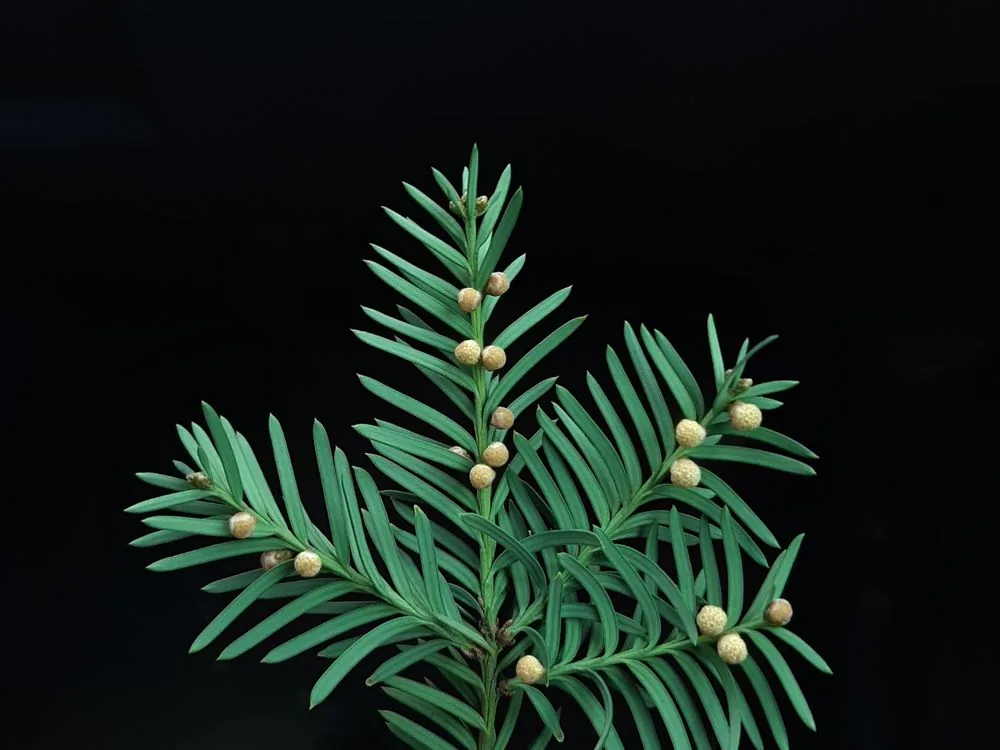
Yew is the dense, dark-needled evergreen conifer behind Europe's oldest hedges and most precisely clipped topiary, a plant so slow-growing and so tolerant of hard, repeated cutting that gardens have been shaping it into walls, domes and animal shapes for centuries. Left unclipped it slowly becomes a substantial tree, and some churchyard and estate yews in Britain are reckoned among the oldest living things in Europe. Its one great practical drawback is well known rather than obscure: almost every part of the plant is highly toxic.
Taxus baccata 'Fastigiata'Taxus baccata 'Repandens'Taxus × media 'Hicksii'
Light
Full sun to full shade. Few evergreens tolerate deep shade as well as yew, which is part of why it works as structural hedging under trees where little else will grow.
Water
Water new plants through their first year or two. Established yew in open ground is drought-tolerant and rarely needs watering once rooted in.
Humidity
Not a significant factor outdoors; this is an open-ground plant unconcerned with ambient humidity.
Soil
Tolerant of chalk, clay, loam and sand as long as drainage is reasonable. Waterlogged soil over winter is one of the few conditions that genuinely troubles it.
Taxine in the foliage and seeds can cause sudden death from acute heart failure, sometimes with no warning beyond muscle tremors and difficulty breathing.
If your pet has eaten some, contact your vet.
Source: ASPCA
Read this before you plant it
Taxine, the toxin in yew's needles and seeds, is dangerous enough that the first sign of poisoning in an animal or a person can be sudden collapse rather than any of the milder warning signs most toxic garden plants give. The fleshy red aril around the seed is the one part that is not toxic and birds eat it safely, but the hard seed inside it is, so a yew near young children, grazing animals or a dog that chews hedge clippings is a real and specific risk rather than a general caution.
Care by Season
Spring
New growth begins. A main structural trim can be done now or in late summer; avoid cutting into the softest new growth if a hard frost is still likely.
Summer
The main clipping season for formal hedges and topiary, typically once or twice between late spring and late summer to keep a crisp shape.
Autumn
Growth slows. A tidy-up trim now is safe, and this is also a reasonable time to plant new yew, with the soil still warm and rain more reliable.
Winter
Fully hardy through a European winter once established. Heavy wet snow can distort a clipped shape; brushing it off gently prevents branches splaying or snapping.
Growing & Maintenance
Planting
Autumn is a reasonable time to plant. It takes chalk, clay, loam or sand with reasonable drainage, in sun or full shade. Water new plants through their first year or two.
Pruning
Clip hedges and topiary once or twice between late spring and late summer. It resprouts from old, bare wood, so an overgrown hedge can be cut back hard.
Propagation
From stem cuttings.
Pests & Diseases
Common problems
Needles turning yellow, then brown, on a whole plant
Most likely cause: Waterlogged soil and Phytophthora root disease.
What to do: Improve the drainage. There is no cure once the disease is established.
Brown needles after winter
Most likely cause: Winter burn from cold wind.
What to do: Plant in a spot sheltered from cold winter wind and trim out the damage in spring.
A young plant that suddenly wilts
Most likely cause: Vine weevil grubs eating the roots.
What to do: Apply biological nematodes to the soil.
A clipped shape splayed open
Most likely cause: Heavy, wet snow.
What to do: Knock the snow off before it distorts the shape.
A thin, loose hedge
Most likely cause: No regular clipping.
What to do: Clip once or twice a year between late spring and late summer.
Pests & Diseases
Vine weevil
Signs: Adult weevils notch the edges of needles at night, while their grubs feed on roots underground and can cause sudden wilting or collapse in container-grown plants.
Treatment: Biological nematode drenches applied to the soil in late summer target the grubs effectively. Sticky barrier bands or torchlight checks after dark can catch adult weevils on valued specimens.
Phytophthora root disease
Signs: Yellowing, thinning foliage and dieback that does not respond to watering, usually starting in poorly drained or waterlogged soil.
Treatment: There is no cure once established; improving drainage before planting is the real prevention. A badly affected plant is usually best removed, and replanting yew in the same spot without correcting the drainage tends to fail again.
Scale insects
Signs: Small brown bumps on the shoots and needles, with sticky honeydew
Treatment: Treat the plant with horticultural oil.
FAQ
Is it safe to have a yew hedge in a garden with children or pets?
Many European gardens do, and a mature, well-maintained hedge that nobody is eating from is not a daily hazard. The real risks are clippings left lying around after trimming, which wilt and become more palatable as they dry, and a young child or a bored dog finding and chewing foliage directly. Raking up and disposing of all clippings promptly, rather than leaving them to compost in place, and keeping an eye on small children near a new or low hedge, removes most of the practical risk.
How hard can an overgrown yew hedge be cut back, and will it recover?
Yew is one of the very few conifers that reliably resprouts from old, bare wood, which is why it tolerates renovation pruning that would kill almost any other hedge conifer outright. A hedge that has outgrown its space can be cut back hard, even into thick old branches, over one or two seasons, and new growth usually appears from dormant buds within a year. This tolerance for hard cutting is exactly what makes it the classic choice for topiary in the first place.
How hardy is Yew?
It is fully hardy, to below -20°C. It stays evergreen through a European winter once it is established.
How big does a Yew get?
Between 9 and 18m tall and 4.5 to 7.5m wide if it is never clipped. Regular clipping keeps a hedge at any height you choose.
When should I clip a Yew hedge?
Once or twice between late spring and late summer. A tidy-up trim in autumn is safe as well.
Does Yew grow in shade?
Yes, it grows anywhere from full sun to full shade. Few evergreens tolerate deep shade as well.