No results. Is a plant missing? Tell uscontact@wikiplant.net
Zebra plant
Aphelandra squarrosa
Care level: Moderate
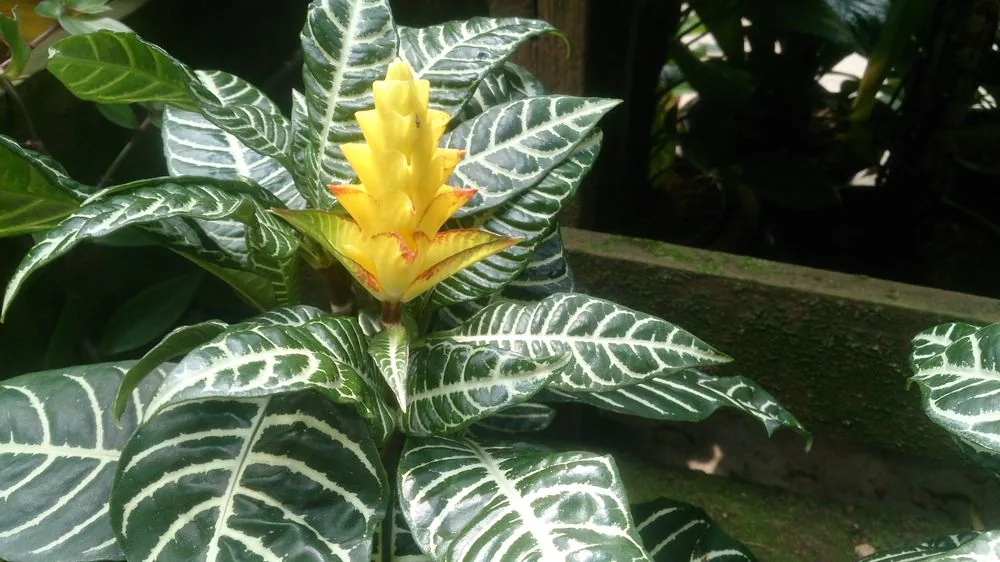
The zebra plant is a tropical evergreen shrub from the rainforests of Brazil, grown indoors for its foliage as much as its flowers. The leaves are large, glossy and very dark green, with the midrib and side veins picked out in white or cream so that each leaf looks striped. In late summer or autumn a mature shoot ends in a four-sided spike of overlapping, bright yellow bracts that lasts about six weeks. It is a showy plant but not a forgiving one: it wants steady warmth, humid air and compost that never dries out.
Bright, indirect light. Direct summer sun scorches the leaves and deep shade stops it flowering.
Water
Keep the compost evenly moist in the growing season and slightly drier, but never dry, in winter. Do not let the pot stand in water.
Humidity
High humidity. Use a pebble tray or group it with other plants, and keep it away from radiators.
Soil
Peat-free houseplant compost with added perlite.
Temperature
Warm rooms all year, ideally 18-24°C and never below about 15°C. Keep it away from cold draughts.
Size
0.3-1m tall and 30-60cm wide.
Growth speed
Slow
?Pet safety not confirmed
As a precaution, keep it out of reach of children and pets.
Common mistake
Never let the compost dry out. A single dry spell makes a zebra plant shed its lower leaves within days, and they do not grow back, leaving a bare stem with a tuft at the top. Check it every couple of days in summer and water as soon as the surface starts to feel dry.
Care by Season
Spring
Growth resumes. Repot if needed, cut back leggy stems and start feeding.
Summer
Water often, keep the humidity high and shade from direct sun. Flower spikes form in late summer.
Autumn
The spike is at its best. Remove it when it fades and cut the stem back.
Winter
Keep warm and bright, water a little less and keep it out of draughts.
Growing & Maintenance
Repotting
Repot in spring every year or two into a pot one size larger. It flowers best when slightly pot-bound, so do not overpot.
Fertilising
Feed every two weeks from spring to late summer with a general liquid fertiliser, and monthly in winter.
Pruning
After flowering, cut the main stem back to a strong pair of leaves to encourage side shoots.
Propagation
By side shoots 8-10cm long, taken after the plant has been cut back and rooted in warmth and high humidity.
Pests & Diseases
Common problems
Lower leaves fall
Most likely cause: Dry compost, cold or draughts.
What to do: Keep evenly moist and warm; cut back in spring if the stem is bare.
Brown leaf edges and tips
Most likely cause: Dry air.
What to do: Raise the humidity.
Leaves curl or crinkle
Most likely cause: Too much direct sun or heat.
What to do: Move to bright, indirect light.
No flower spike
Most likely cause: Too little light.
What to do: Give bright, indirect light through spring and summer and feed regularly.
Wilting although the compost is wet
Most likely cause: Root rot from waterlogging.
What to do: Let the compost dry slightly, empty the saucer and repot into fresh compost if the roots are brown and soft.
Tall, bare stem
Most likely cause: Age and earlier leaf drop.
What to do: Cut the stem back in spring and use the shoots that follow as cuttings.
Pests & Diseases
Aphids
Signs: Clusters of small insects on the young leaves and flower spike, with sticky honeydew.
Treatment: Wipe or rinse them off and repeat every few days.
Scale insects
Signs: Small brown bumps along the stems and leaf veins, with sticky honeydew.
Treatment: Wipe them off with a cotton bud dipped in methylated spirit and check again weekly.
Mealybugs
Signs: White, woolly tufts in the leaf joints and under the leaves.
Treatment: Dab them with methylated spirit and repeat weekly until they are gone. Check the undersides of the leaves and the crevices where the leaf stem meets the main stalk.
FAQ
Why is my zebra plant dropping its leaves?
Almost always because the compost dried out. Cold draughts, a sudden drop in temperature, very dry air and waterlogged roots have the same effect. Keep it evenly moist, warm and out of draughts; if the stem is already bare, cut it back in spring to make it reshoot.
How long do the flowers last?
The yellow spike is made of bracts, which stay colourful for about six weeks. The true flowers are the small yellow tubes that push out between them, and each lasts only a few days.
What do I do when the flower spike fades?
Cut the spike off once the bracts turn green or brown. Then cut the main stem back to a strong pair of leaves; this makes the plant produce side shoots and keeps it bushy.
How do I get it to flower again?
Light is the trigger. A plant kept in bright, indirect light through spring and summer, fed regularly and kept warm is far more likely to flower again. In a dim room it stays a foliage plant, which is still worth having.
Which water should I use?
Lukewarm water, and soft water or rainwater if your tap water is hard. Cold water on the roots can also cause leaf drop.
Why are the leaf edges brown?
The air is too dry. Stand the pot on a tray of damp pebbles, group it with other plants or move it to a brighter bathroom or kitchen. Keep it away from radiators.
How do I propagate it?
After cutting the main stem back, wait until the new side shoots are 8-10cm long, then detach them and root them in moist compost in a warm, humid place, such as a covered propagator.